
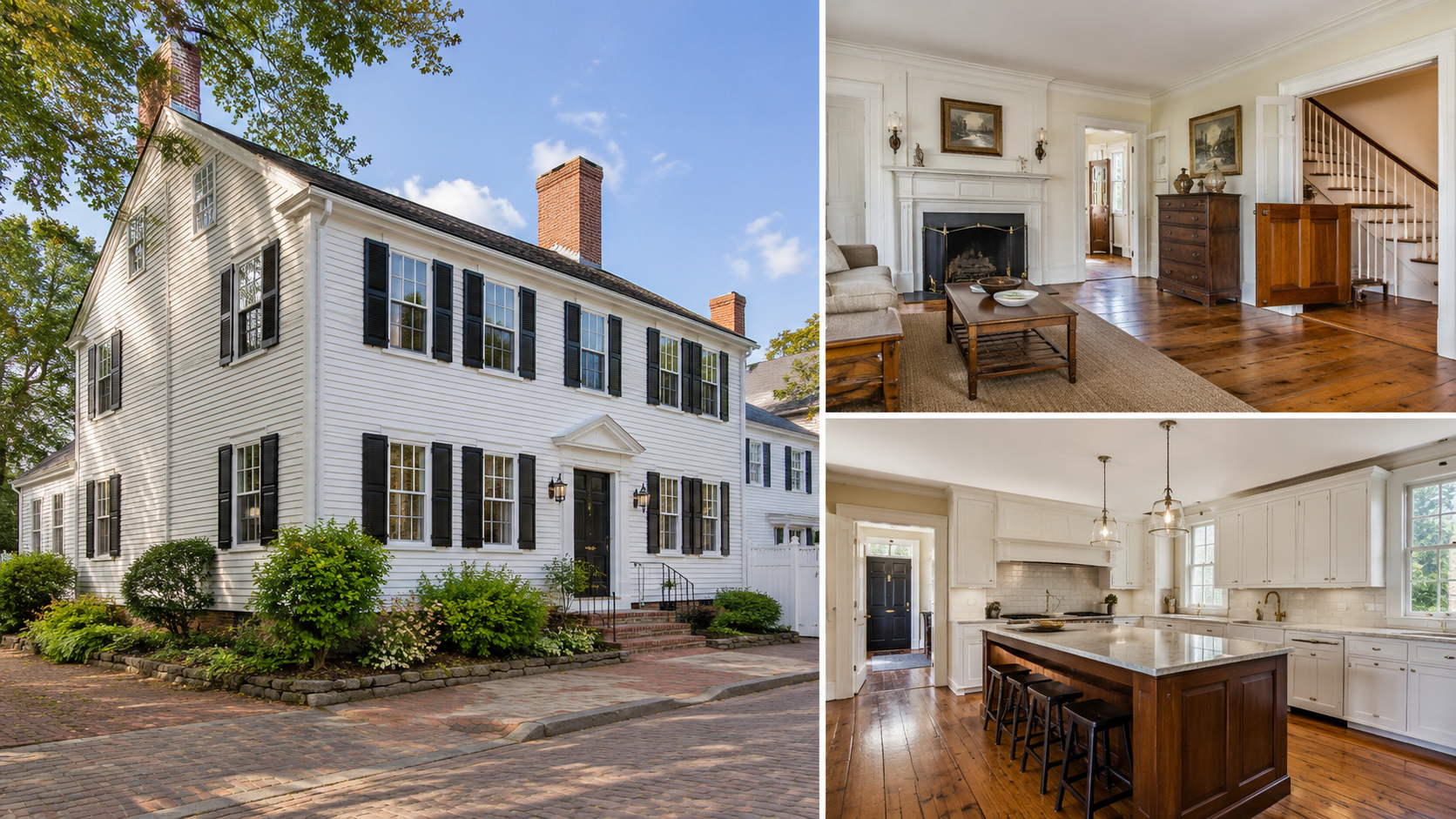
When walking the streets in the historic neighborhoods in Newburyport MA you can see the Federal, the Greek Revival, the Victorian and see the details of the hand made moldings, plank floors, and slate roofs are some of the things they love, but what they don’t so much love are the old wiring, the drafty windows and kitchens designed for another era. That’s what a historic home renovation can do. It can help keep the charm but also update the home for today’s lifestyle.
What Is Different About Historic Home Renovations On The North Shore?
Historic renovations are different from doing a remodel in a newer home because of the older materials, construction methods, and regulations. You can’t do to your 1810 Federal what you’d do to your modern day colonial. The old house may lose some of its historic features and it also will lose its value. Greene Design and Build has been a specialty contractor in historic homes since 1982. Owner Greg Greene has had a part in historic renovations for over 40 years and has had them in places such as Newburyport, Newbury, Amesbury, Ipswich and in many of the neighboring towns. With that kind of experience it helps to tell the cosmetic aging and the structural concerns and also to make sure you are keeping what makes that home special to its history.
What To Know About Historic Districts In Newburyport
If your home is in Newburyport and you are in the historic district, you may have to go through the Historic District Commission to get approval to do changes to the exterior. They will look at things like windows, roof materials and colors of paints. They can also approve additions too. You’ll notice when their review is to look at your plans to make sure the new work will compliment the historic work in its materials and proportions and that it is different enough from the original house that you will know what’s original and what’s new.
And also they have an ordinance that says the city has to wait 90 days before you can demolish a house that is older than 75 years old. So if you’re making exterior alterations to an older house you can still have to go through this commission. If you are working on an interior renovation, that doesn’t normally require the commission to approve the work UNLESS you have an easement that protects that house. So if you are updating the kitchen and bathrooms, that gives you some freedom there in updating those spaces.
Historic Homes Renovations: The Building Blocks For Your Project
Of course each project is different but if you do it right and understand the home you will preserve what you should and modernize what you need and that’s what makes for a great renovation.
Assessment and Discovery
First you want to find out what the structure, the mechanical systems, and the architecture is like. This means knowing about the foundation, framing, the roofs, the electrical, the plumbing, or any environmental things like lead paint or asbestos. Then it also gives your contractor a better idea of what features in the home that should be preserved.
Preserving The Historic Materials And Craftsmanship
North Shore homes are often known for their high-quality materials and craftsmanship. Things like old growth framing, antique slate roofing, plank flooring, hand forged door hardware, custom millwork, etc. This is hard to duplicate today, so preserving these elements makes them important to keep the character and longevity of your home’s historic integrity.
Many wood floors can be saved and sanded and refinished instead of tearing out and replacing. Many slates roofs can last 100 years. You can repair the slate and put in the old style of shingles. Many windows can be repaired and put in some weather stripping and put storm windows over them so you still have the historic feel. A skilled carpenter can make moldings, and you should always try to keep and save fireplace mantles, built ins, and staircases.
Upgrading Systems While Retaining The Home’s Historic Charm
Everyone wants more comfort, efficiency, and safety. But we also don’t want to lose the historic character, which takes some planning to do.
The wiring and plumbing can be run through the existing wall cavities so you’re not tearing into the old plaster and trim. And also putting in insulation will give you better efficiency without trapping moisture in the old house’s walls. Heating and cooling can be integrated into the design through a ductless mini-split system, radiant floor heating, or through concealed ductwork. Even a fully remodeled kitchen and bathroom can incorporate cabinetry, hardware, and finishes that complement the home’s unique style.
Working with the Historic District Commission
All homes located within a historic district must submit to review by the Historic District Commission during renovation or new construction. If a proposal has been carefully crafted to honor the historic character and employs the right types of materials, it will more likely receive approval quickly.
Greene Design and Build handles the process for their homeowners by familiarizing themselves with the applicable guidelines, then designing within them, and submitting a well-documented, complete set of plans. With decades of local experience, they are adept at making the review process move smoothly. At the same time, they can ensure that the homeowner’s ideas and vision are implemented.
Why Historic Renovation Experience is Critical
A historic home is not an old house. It is built with the materials, techniques, and craftsmanship of the times when it was constructed. To renovate a historic home properly, the renovation crew must know both construction and preservation.
For over 40 years, Greene Design and Build has been handling historic renovations on the North Shore. Greg is hands-on in every renovation, and the clients have daily communication with the crew from the moment the hammer strikes. Because surprises are a part of renovating historic homes, Greg’s personal oversight on every project is crucial in keeping a renovation on schedule. Decisions must be made quickly in order to avoid delays.
In Massachusetts, Greene Design and Build holds Massachusetts Construction Supervisor License #CS-086786, Home Improvement Contractor Registration #152966, and Residential Builder License #220177. They are BBB A+ rated and in the top 10% of Massachusetts contractors, as rated by BuildZoom. This speaks to their technical expertise and to their extensive success and years of service in historic renovation.
How to Plan Your Historic Home Renovation
Whether renovating the original woodwork, adding a new primary suite, installing a period kitchen, or taking on a whole-home remodel, choosing the right building crew for the historic renovation is crucial. Historic homes can be rewarding to renovate if the correct builder is chosen, and costly mistakes happen too often if the wrong builder is selected.
Greene Design and Build serve homeowners all around Newburyport, Newbury, Amesbury, Boxford, Georgetown, Groveland, Haverhill, Ipswich, Rowley, Salisbury, and West Newbury, and their surrounding communities. Call 978-790-4881, or visit greendesignandbuild.com, to initiate the conversation.
Frequently Asked Questions
What’s the cost of renovating a historic home in Massachusetts? It depends on what condition the historic home is in, what scope of work is being done, and how historically accurate the renovation is. In North Shore area, a kitchen or bathroom remodel can cost anywhere from $45,000 to $95,000, and a whole-home project can range anywhere from $250,000 and upwards of $600,000. Projects that restore the home to a high level of historical accuracy by using the original materials and techniques cost more than simply a renovation project. Greene Design and Build can provide a detailed estimate for your historic home after conducting an assessment.
Can the inside of a historic house be remodeled with no commission review? Yes, in most cases. Interior alterations such as kitchen and bathroom renovations, flooring, and mechanical system upgrades generally don’t require review by the Historic District Commission unless an easement has been placed on the property. Most alterations to the exterior of the property such as installing new windows, re-roofing, re-siding, repainting the house, or building an addition will most likely require review by the commission. The firm can help homeowners find out which requirements apply to their historic home.
What’s the difference between restoring and renovating a historic home? A restoration returns a home to its original state or restores it to a different period in time, using authentic materials and craftsmanship to do so. A renovation modernizes the home to suit today’s way of living but does not change its historic appearance or character. Most homeowners who undertake a renovation project for their historic home want to add the comforts and conveniences of 21st-century living, yet protect the character and craftsmanship that makes the historic home special. A restoration is one option, and a renovation that maintains a home’s historic style and finishes while upgrading the systems is another. In reality, most homeowners go for a middle-ground, restoring what’s original and adding modern features, but preserving original trim and moldings.
0 Comments